

Date of Event: 14 April 2026
Event: GASA Meet-Up
Scammers are rapidly adopting artificial intelligence to scale and refine their operations, making fraud more convincing, targeted, and difficult to detect. While much of the public conversation focuses on deepfakes, the reality is far broader. This GASA meet-up explored how AI is being actively used across the scam ecosystem, and what organisations can do to stay ahead of these evolving threats.
The session brought together experts from leading technology companies and research organisations to share frontline insights. Drawing on real-world intelligence from platforms and investigations, the discussion focused on how fraudsters are operationalising AI today, and how the same technologies can be leveraged to strengthen detection, prevention, and response.
Speakers
- Dora Cheng, Principal Product Manager – Microsoft
-
Jack Stubbs, Intelligence & Investigations – OpenAI
-
Aparajitha Vadlamannati, Public Policy Manager, Search Quality – Google
- Mollie Zapata, Senior Director of Analysis – C4ADS
- Jorij Abraham, Managing Director – Global Anti-Scam Alliance (Moderator)
At the same time, the panel underscored that AI is also a critical part of the solution. Advanced detection systems, behavioural analysis, and cross-platform intelligence sharing are already helping organisations disrupt fraud networks more effectively. However, no single organisation can address this challenge alone. Collaboration between technology companies, governments, and industry stakeholders remains essential to counter increasingly sophisticated scam operations.
The session reinforced a central theme: as scammers continue to operate like coordinated global networks, defenders must do the same. By combining intelligence, technology, and shared expertise, organisations can build stronger, more adaptive defences against AI-driven fraud.
Watch the full discussion below to learn how organisations are tackling AI-powered scams on the frontlines.

What 22,000 Fraud & Cyber Crime Operator Signals Reveal About the State of Bank Attacks
Falkin's analysis of 22,661 fraud operator signals shows how bank attacks are evolving across regions, typologies, and AI-driven scam infrastructure.
Reinventing Fraud Detection Through Digital Fingerprinting and Link Analysis
A Microsoft white paper examines how digital fingerprinting and link analysis shift fraud detection from isolated events to connected, network-level intelligence.
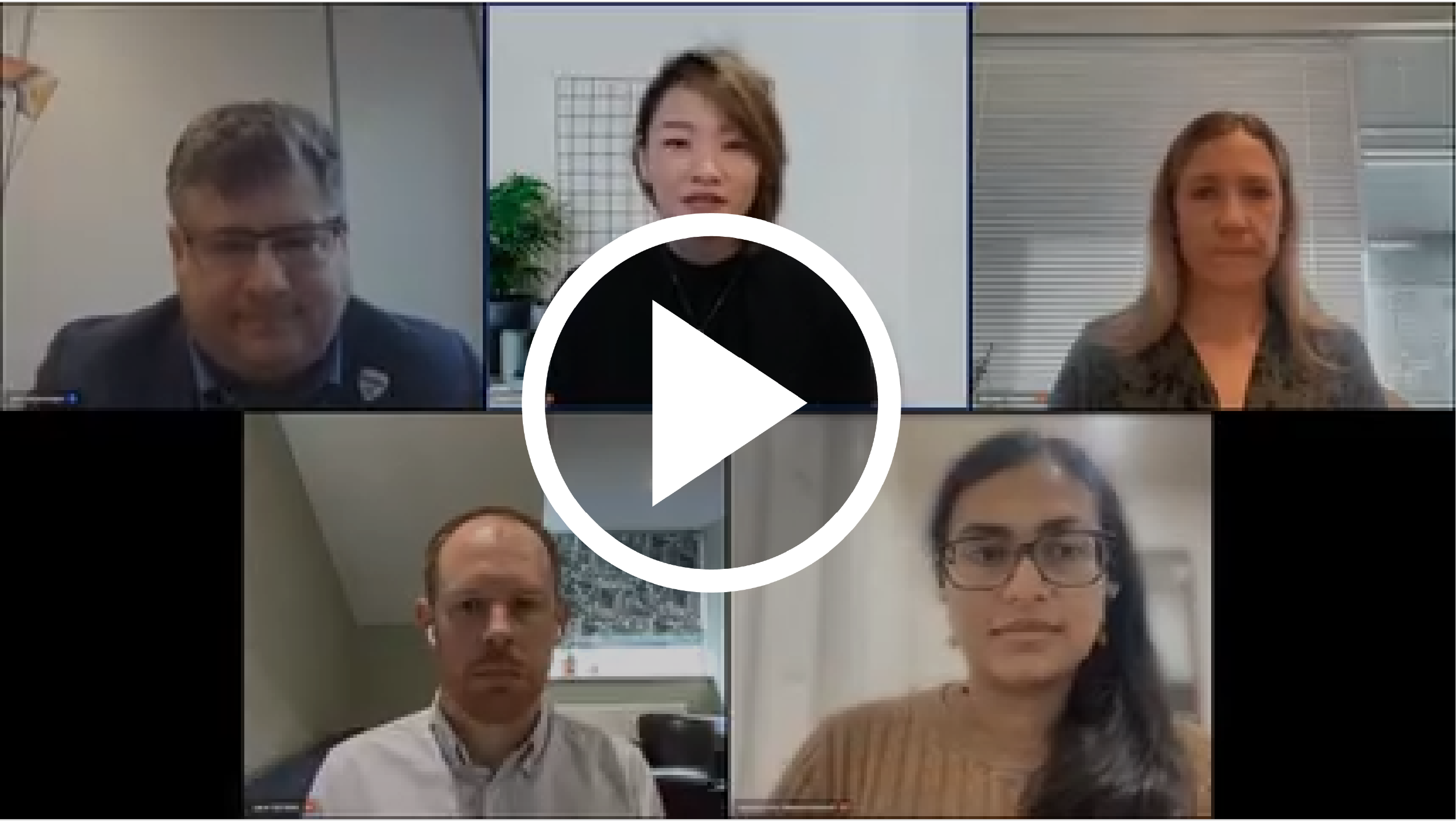
On the Frontlines: Fighting AI-Powered Scams & Fraud
Experts from Microsoft, OpenAI, Google and C4ADS share how AI is shaping scams and how to fight back.
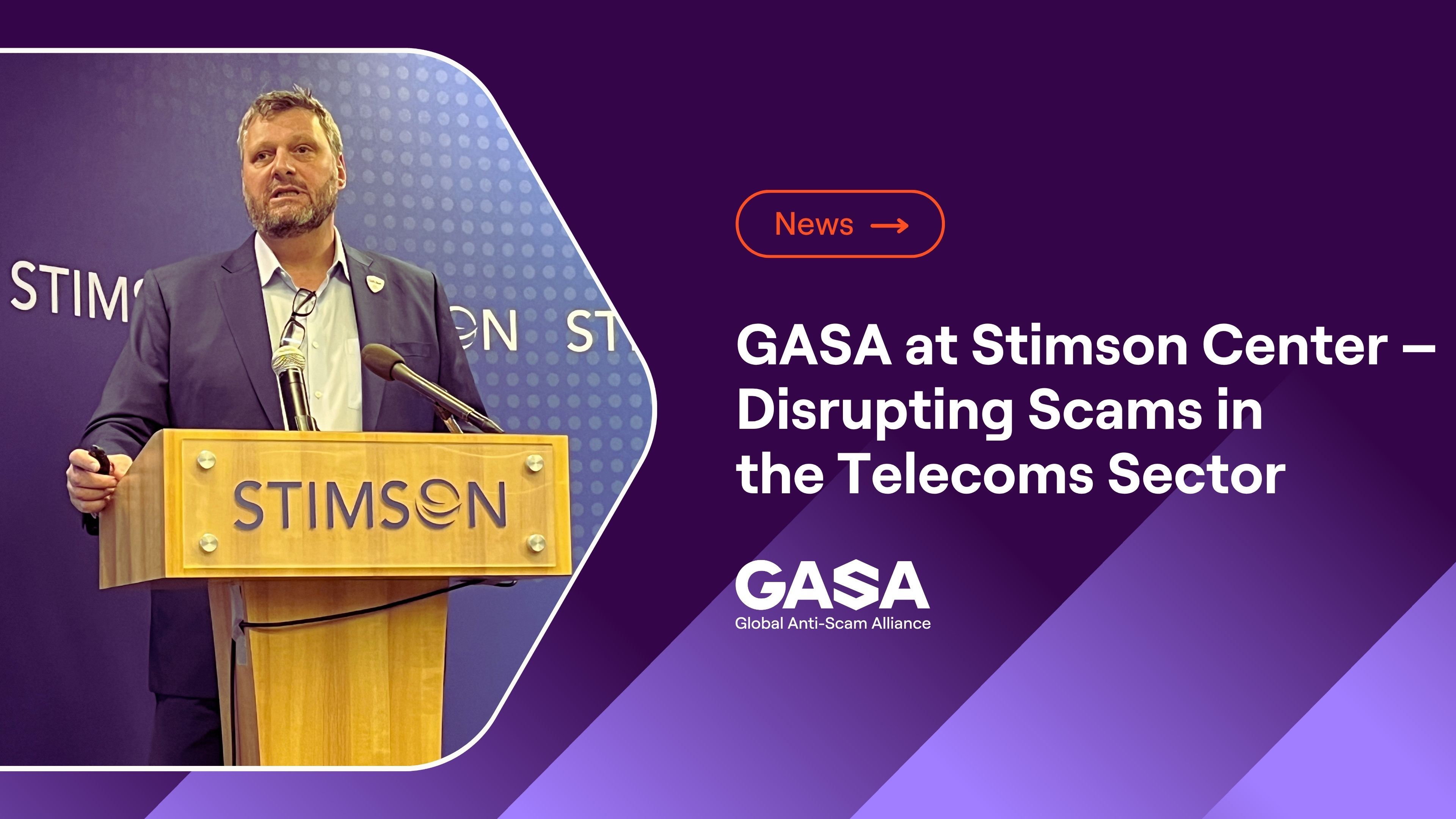
Telecoms on the Front Line: GASA at the Stimson Center Dialogue on Combating Scams
According to GASA’s Global State of Scams Report, telecommunications channels—voice and SMS in particular—remain a predominant “front door” for scams.

What Really Works in Preventing Fraud Against Older Adults? Insights from Frontline Practitioners
Expert insights on preventing fraud against older adults, highlighting the role of technology, targeted education, bank intervention, and coordinated partnerships.

Brazil’s BC Protege+ Blocks Fake Bank Accounts Before They Can Be Opened
Brazil’s Central Bank launched BC Protege+, allowing individuals and businesses to block bank account openings in their name. With over 1 million activations, the tool offers a structural model for reducing identity-based fraud.
-1.jpeg)
From Vienna to Global Action: Key Takeaways from the UN Global Fraud Summit
Explore key insights from our participation at the UNODC's Global Fraud Summit in Vienna. Discover how AI is changing the scam landscape, the power of national anti-scam centres, and the introduction of the Public-Private Partnership Framework to protect communities from fraud.
League of Protectors: Women Fighting Against Scams
Explore key insights from our International Women’s Month webinar on combating scams. Discover how women leaders are driving cross-border collaboration, digital literacy, and collective action to protect communities from fraud.